2025 in Replay
Happy New Year, friends. I've been preoccupied by the whirlwind of developments in Latin America and the Caribbean—I hope you are too—and have fallen behind on some consoling rituals, but better late than never: here are some of the musical experiences that stick with me from 2025.
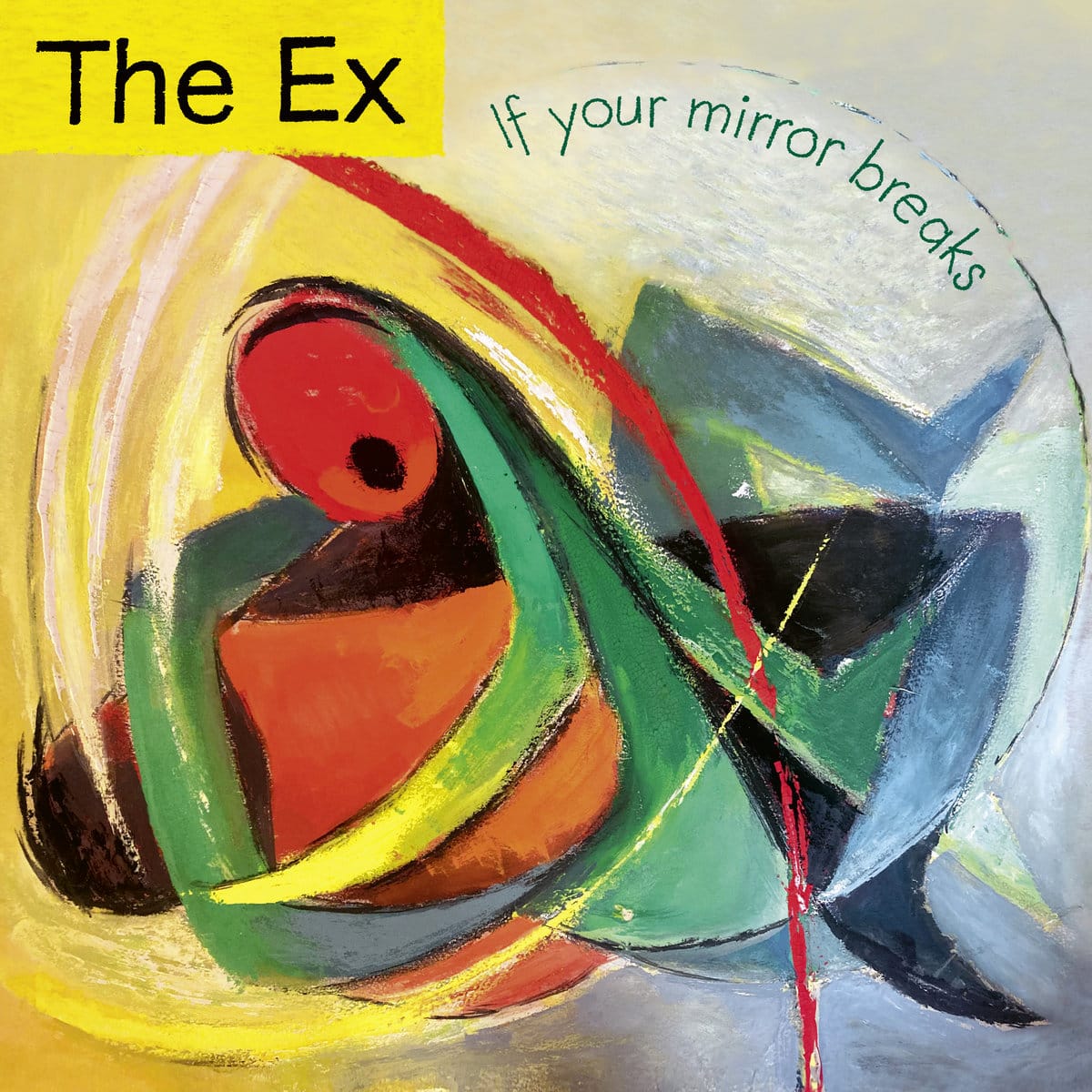
The Ex - If Your Mirror Breaks (Ex Records)
Everybody in the know will tell you that The Ex is one of the best guitar bands on the planet, and If Your Mirror Breaks represents this treasured institution at their purest and most direct. Kat Bornefeld's linear drumming style provides the perfect scaffold for the extended technique and harmonic interplay of Terrie Ex and Andy Moor, and Arnold de Boer's lyrics are compendious as ever, gathering language from Walt Whitman ("Beat! beat! drums!—blow! bugles! blow!") and East London graffiti ("When I grow up I want to be an apartment block") in an unbounded social scrapbook. I dearly wish that we didn't live in the world described so well by 'Monday Song,' but I'm glad that The Ex are down here too.
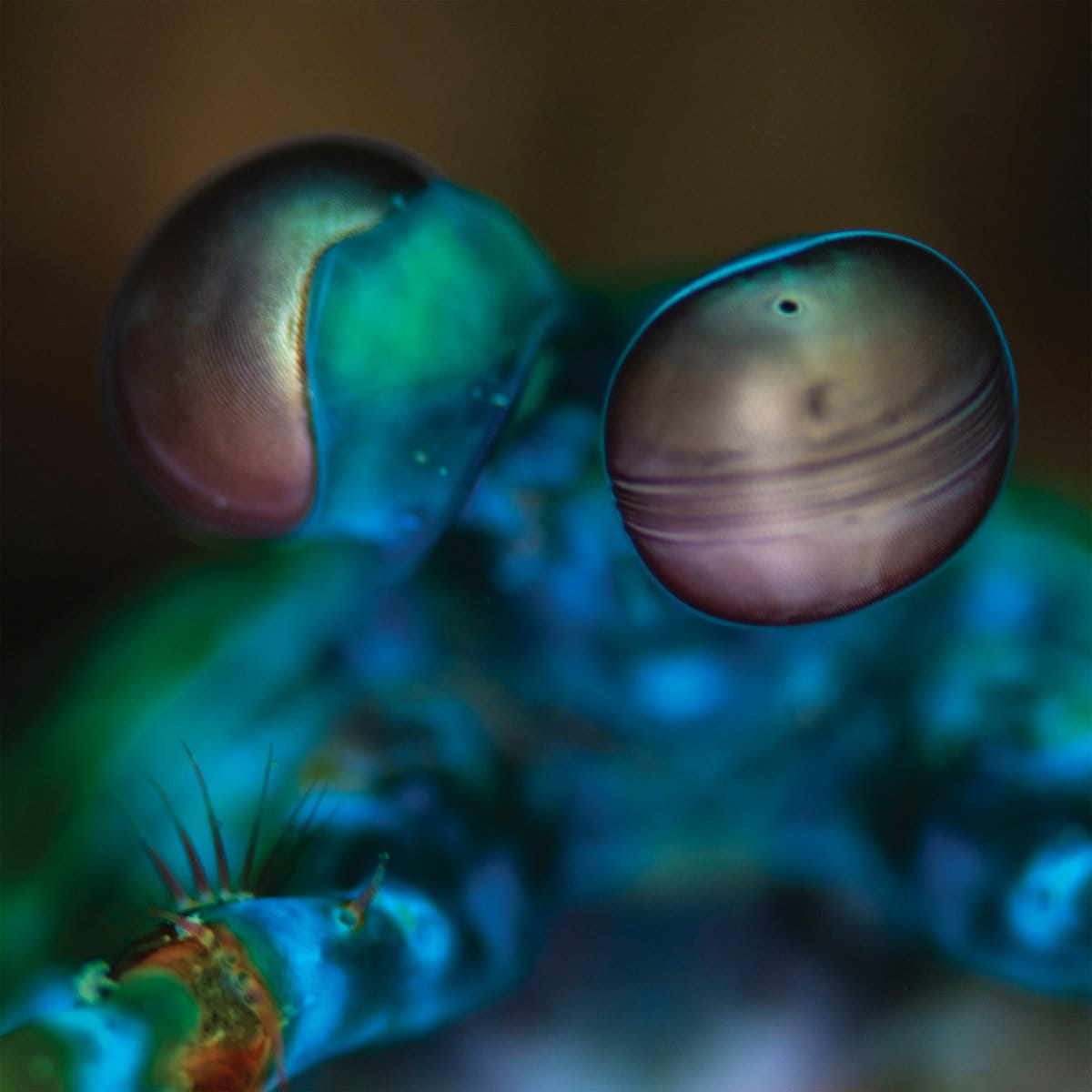
Melvin Gibbs - Amasia: Anamibia Sessions 2 (Hausu Mountain)
Melvin Gibbs needs no introduction—a heavyweight of New York's downtown scene, Gibbs was an anchor of Defunkt, Decoding Society, the second classic lineup of Rollins Band, and countless other groups. While the first volume of Anamibia Sessions, created for Arthur Jafa, was a purring, tactile experiment in sub-bass brain massage, volume two is a playful, omnivorous anthology of contemporary fusion, effortlessly blending trip hop, ambient, and languid chamber jazz. This is an oceanic, deep and teeming, collection of music spanning years—including incredible work by the great, departed Pete Cosey of Miles Davis fame.
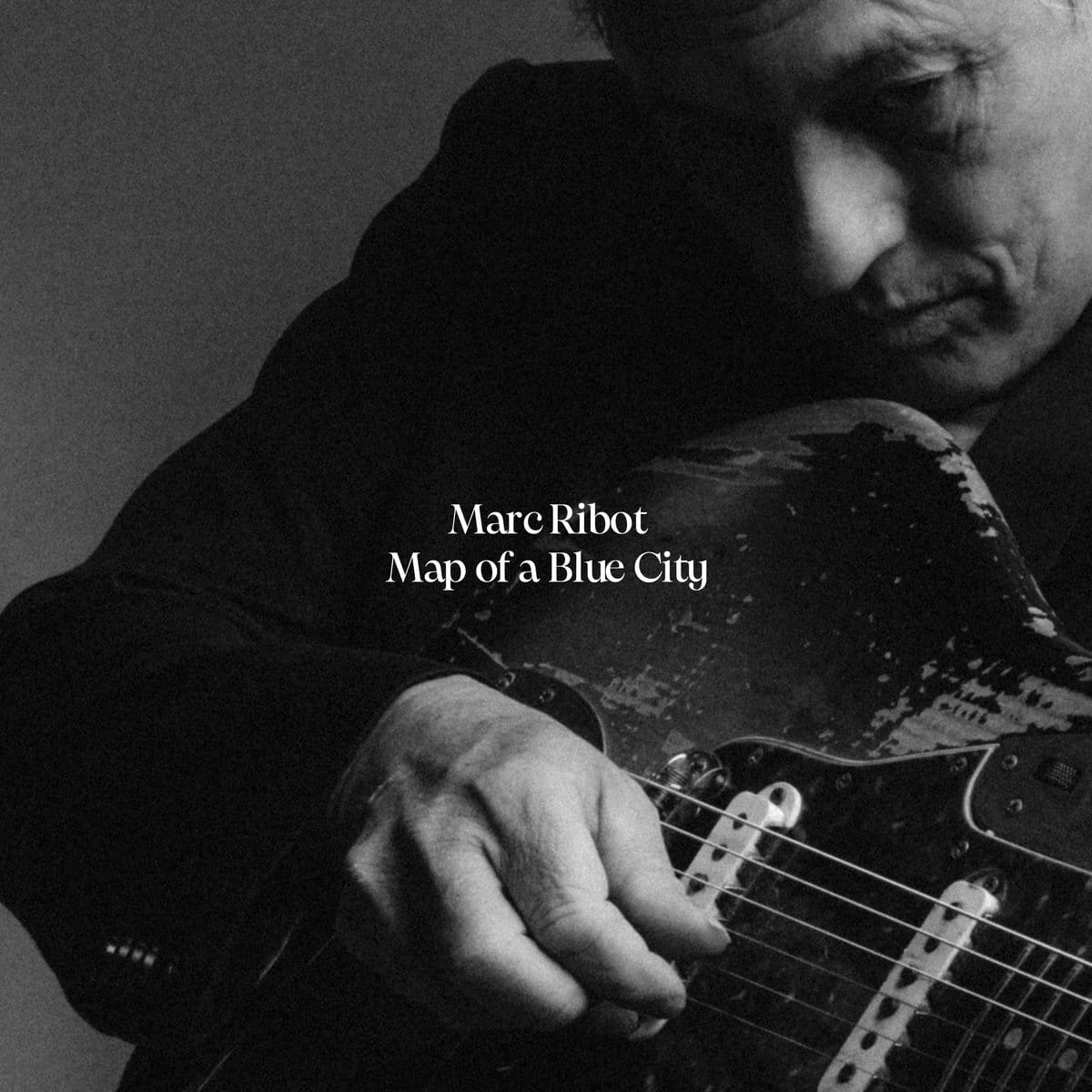
Marc Ribot - Map of a Blue City (New West Records)
I’ve always loved Marc Ribot’s vulnerable, sarcastic brand of Sprechstimme, particularly in his early no wave jam band Shrek, and voice has gradually assumed a larger role in his output of the last decade. But Map of a Blue City is his first album of original songs, completing an unfinished production with the late Hal Wilner, and a disquieting standout of his lengthy career. Ribot's whispered falsetto on 'Say My Name' is a vulnerable highlight, and while the caustic tropicalia of 'Daddy's Trip to Brazil' could technically fit on a Ceramic Dog record, there aren't any long-form vamps or bursts of angry guitar here. Scalded restraint is the rule, and one can hear the callouses of years beneath every arrangement.
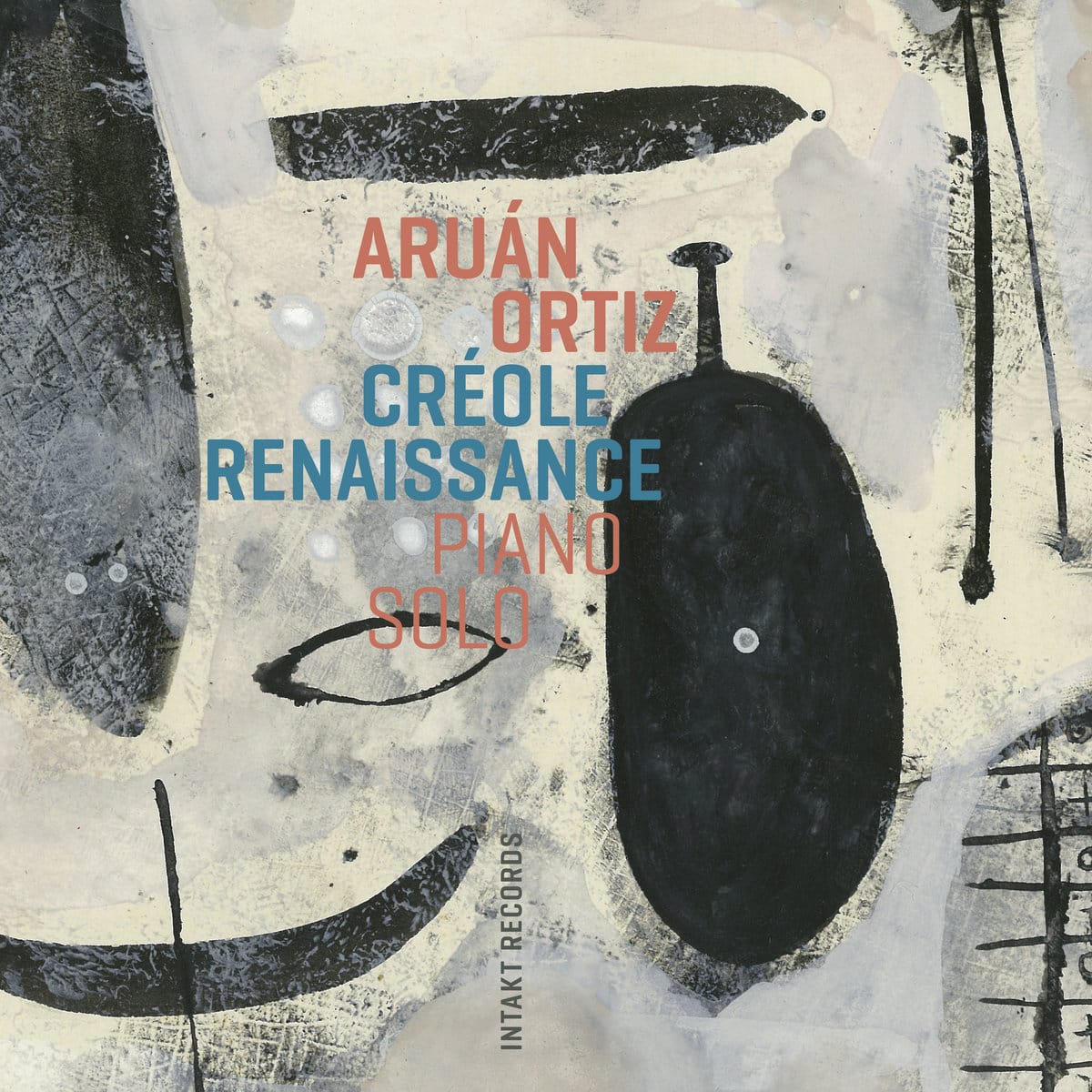
Aruán Ortiz - Créole Renaissance (Intakt Records)
Aruán Ortiz is a mainstay of the Brooklyn jazz scene, and his painterly tone clusters and effortlessly abstract melodicism can be heard on several of the best jazz recordings of the decade. Even so, this solo seems to turn over a new leaf. Créole Renaissance is something of a concept album, dedicated to the Négritude movement and possessed of both literary flair and a suggestive historical thesis. "Silent exclusion is Black Renaissance," Ortiz speaks between discovered phrases. "Primitivism versus modernism"—but then, a word of punctuation, as if the apex of a dialectic: "Surrealism." This piece, 'From the Distance of My Freedom,' assumes the significance of a manifesto here, but Ortiz's framing of Black arts as an intercontinental bricolage, anticipating and surpassing a contemporary European avant-garde, is evident in every gesture. 'The Great Camouflage' is a spacious rumination in the realms of Feldman, but this abstractionist set is shot through with idiomatic slivers too, concluding with an ear-widening deconstruction of Compay Segundo's romantic masterpiece 'Chan Chan.'
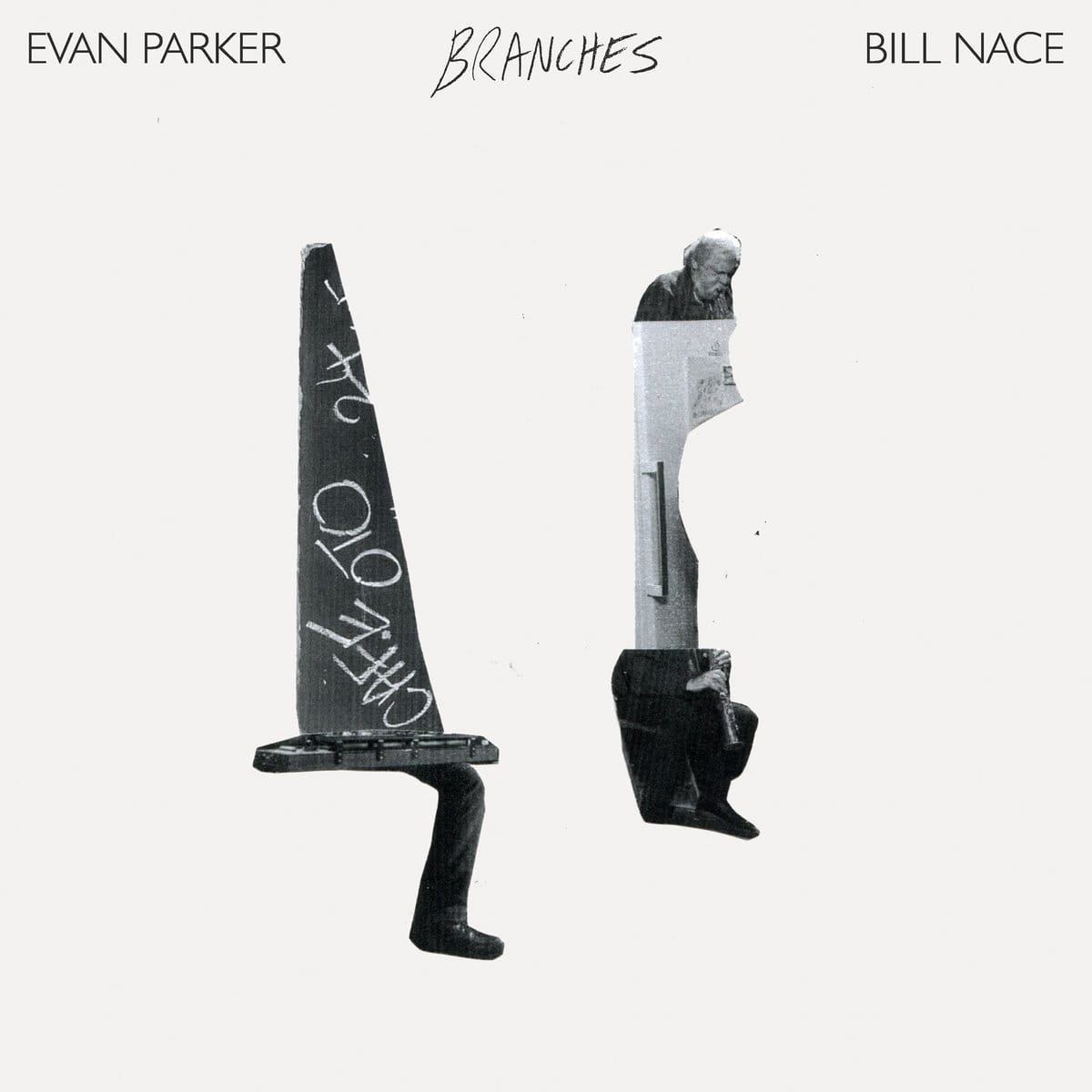
Evan Parker and Bill Nace - Branches (Open Mouth Records)
The obvious duo record of the year, documenting a 2024 encounter at London's Cafe OTO. Evan Parker’s harmonic flails are an institution unto their own, and his strength at 81 is undiminished. Bill Nace is a pillar of the American underground, visiting a punk rock ethic and sensibility upon his deconstructed electric guitar, and there is hardly a more attentive and autonomous accompanist working today. That said, the two improvisers don’t share an obvious context, which makes this recording all the more delightful. As if to ground their accord, the forty-minute summit opens on long, wavering tones before breaking into intricate flurries of sound, plaited and independent. Parker's soprano and Nace's taishōgoto—an obscure stringed instrument with typewriter keys, marketed in the early twentieth century—pair eerily well, and the intensity mounts to a breathless finish.
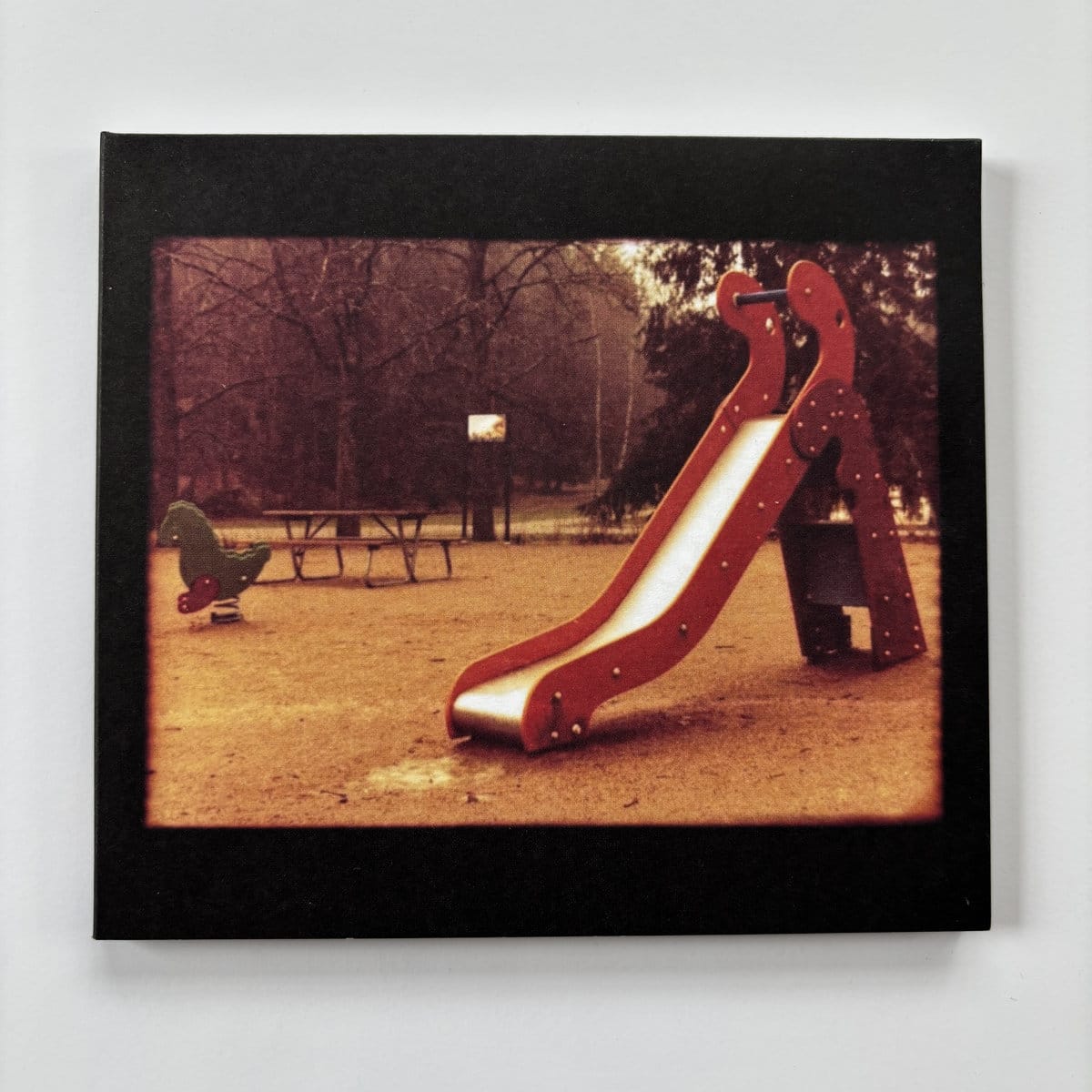
Ieskadulla - Apuvälinekeskus (Satatuhatta Records)
Another sleeper hit from the esteemed Satatuhatta label, who can do little wrong. I was clicking around after the (excellent) Altar of Flies 2XCD and grabbed this on a whim, and few releases this year have so thoroughly satisfied my tactile temperament in listening. This is rapidly churning and purposive noise collage, just the right amount of referential and obscurantist. The transitions are impeccable, between percussive scoring of an uneven, unknowable terrain and chordal swells of distortion; brittle winds and ear-piercing tumult. Expansive and abrasive stuff from Finland's underground.
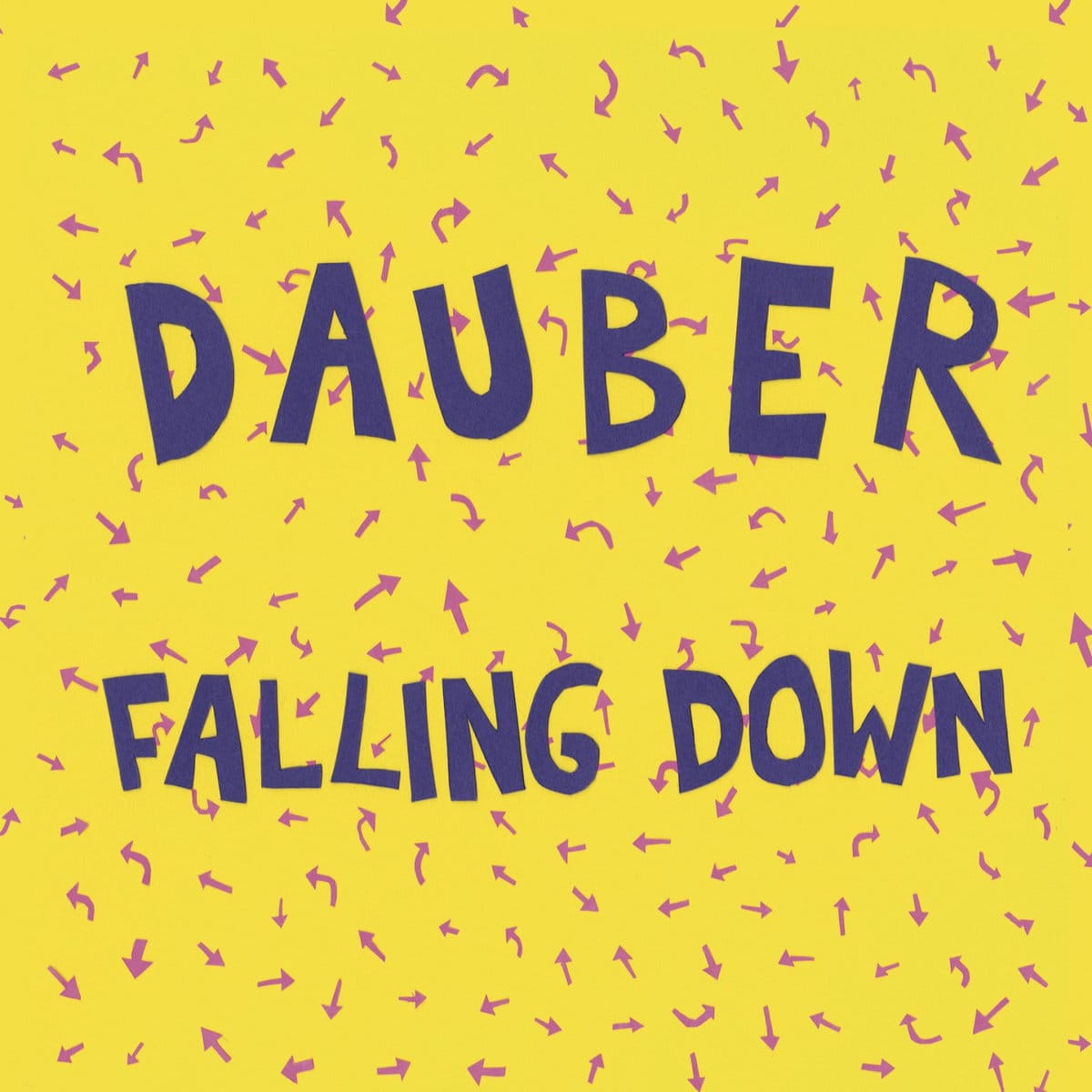
Dauber - Falling Down (Dromedary/Recess/State Champion Records)
I saw Dauber in a Hudson basement last year and was sold within seconds. This is a great, barnstorming punk-pop record that possesses both the gruff articulacy of a Dillinger Four and the rock and roll chops of the Riverboat Gamblers et al. Dauber are less jagged than Mike Abbate’s previous trio, Screaming Females, but just as anthemic; and more amped up than The Straps, an equally fantastic Hudson band overlapping Dauber's membership to a head. As importantly, last year’s single 'No Use for a Pig' deserves pride of place on any ACAB-themed compilation. In short, Dauber are a bunch of things that punk rock ought to be, and nothing that it shouldn't.
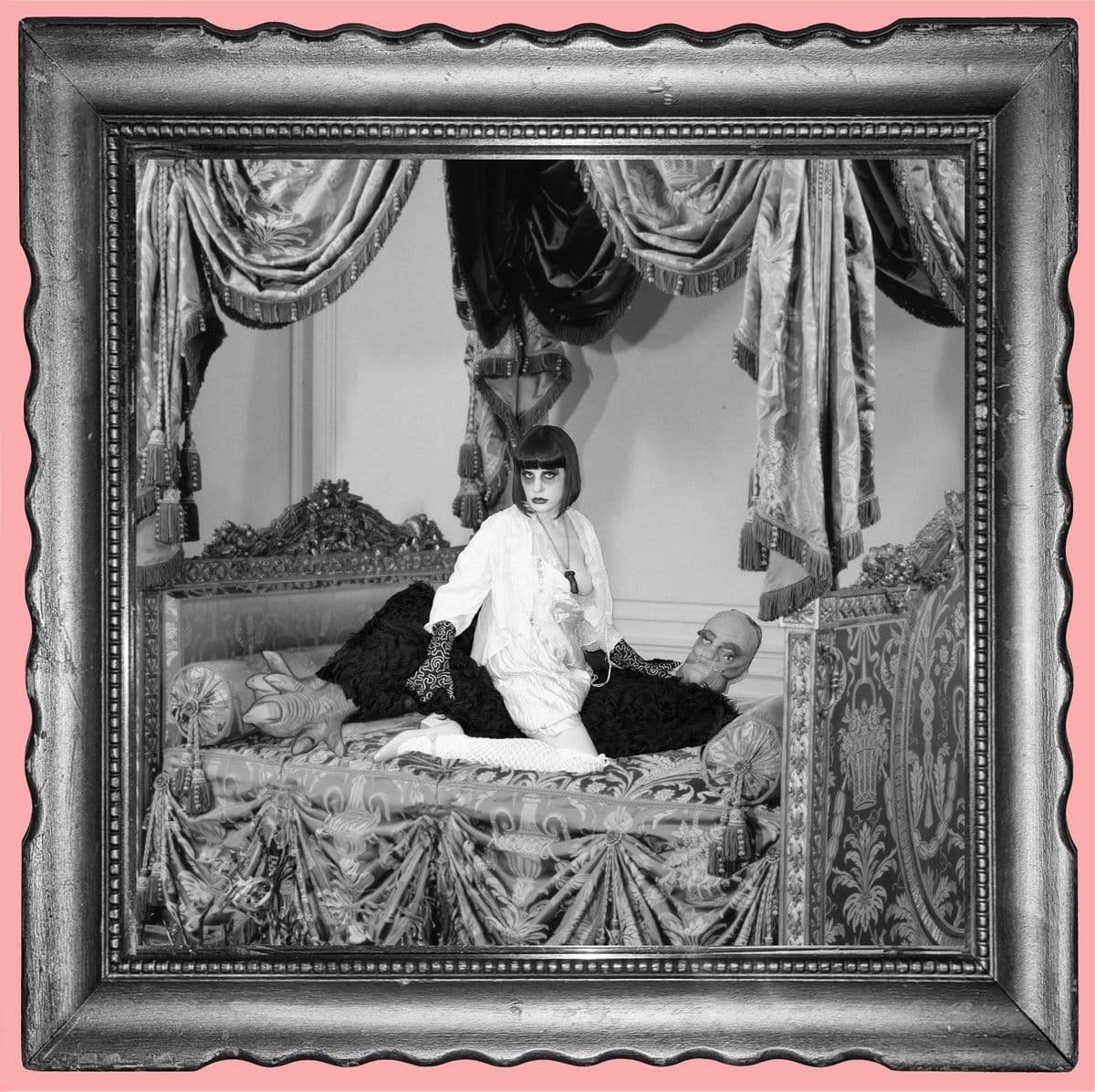
Kilynn Lunsford - Promiscuous Genes (Feel It Records)
Kilynn Lunsford is surely one of the best songwriters on the post-punk continuum, and this LP affirms as much both song for song, and per arrangement. ‘My Amphibian Face’ gradually builds and subtracts from haunted loops and drum machine as an incantatory vocal weaves throughout, while ‘Gateway to Hell’ hangs out between shoulder-twisting dance-punk and noisy, devolving grunge. Lunsford sings behind a dubbed-out signal chain, but this is used as punctuation and never obfuscatory of a lurid, knowing lyricism. On proto-industrial monologues like ‘Some Mothers Do,’ the multi-tracked vocal verges on counterpoint before separate voices settle on a conspiratorial chant against the seedy zeitgeist. As a bonus, this album features the only necessary Beatles “cover” since Siouxsie's ‘Helter Skelter.’
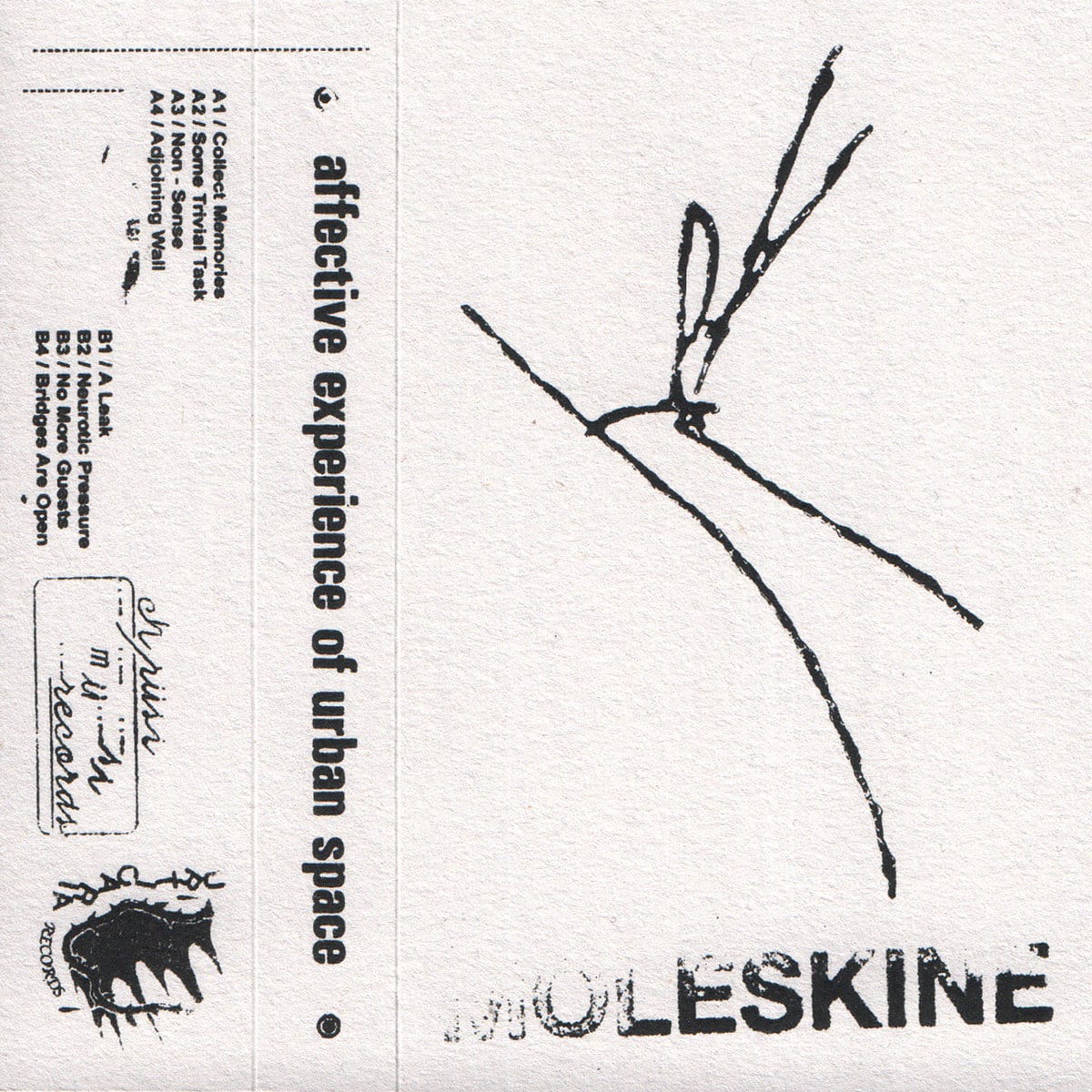
Moleskine - Affective Experience Of Urban Space (Urticaria Records)
Crisp, syncopated post-punk from Nantes, drawing inspiration from classic no wave and art damaged fare. A weeping, pitchy saxophone recalls the legend Lora Logic, as a wry, monologuing vocal passed between members addresses the group's urban surround with anticipation and malaise. Core members François Beaugendre and Chloé Prioux released an equally memorable gem of an LP this October under the name Vérité Synthétique, channeling Young Marble Giants and other classics of apartment punk. If you get one, get both, as this seems like a scene to watch.
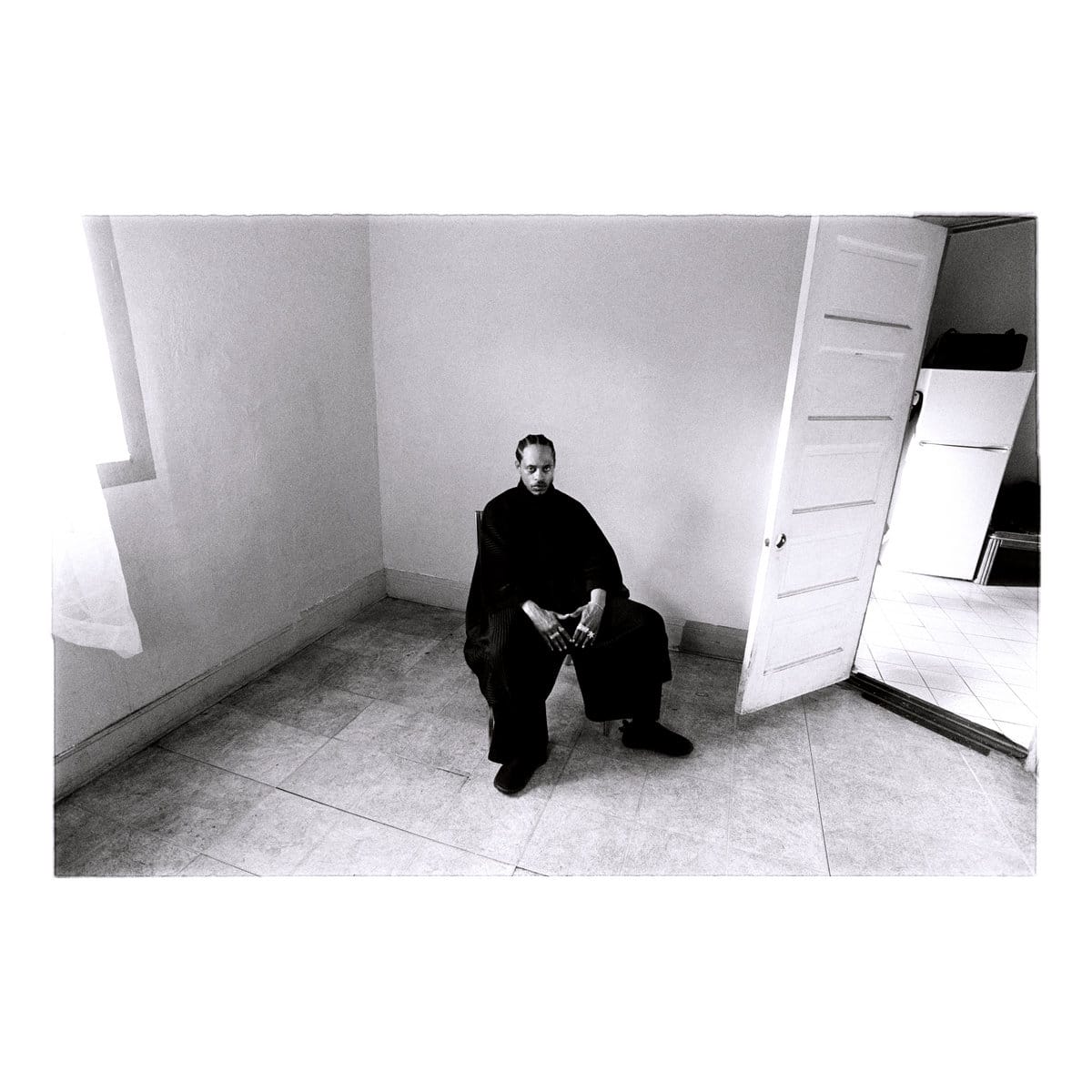
Pink Siifu - BLACK’!ANTIQUE (Dynamite Hill)
A proper tome of sonically dense noise-rap with as many thematic digressions as collaborators. From the first shrieking synths, resembling the nuclear alarm aesthetic of power electronics, BLACK’!ANTIQUE confronts the listener with a claustrophobic industrial thrum—but first impressions are deceiving, and Siifu moves between stylistic outposts with ease. Insistent club rhythms segue into syrupy, soulful productions in the back half of the program, and the overall effect is both cinematic and disarming. ('Last One Alive' is a highlight and nostalgic denouement: "It's been too long, it's been too long.") The overall effect is still pretty choppy, tending to linear collage rather than clearly demarcated songs, but that’s a large part of this anthology’s inexhaustible appeal.
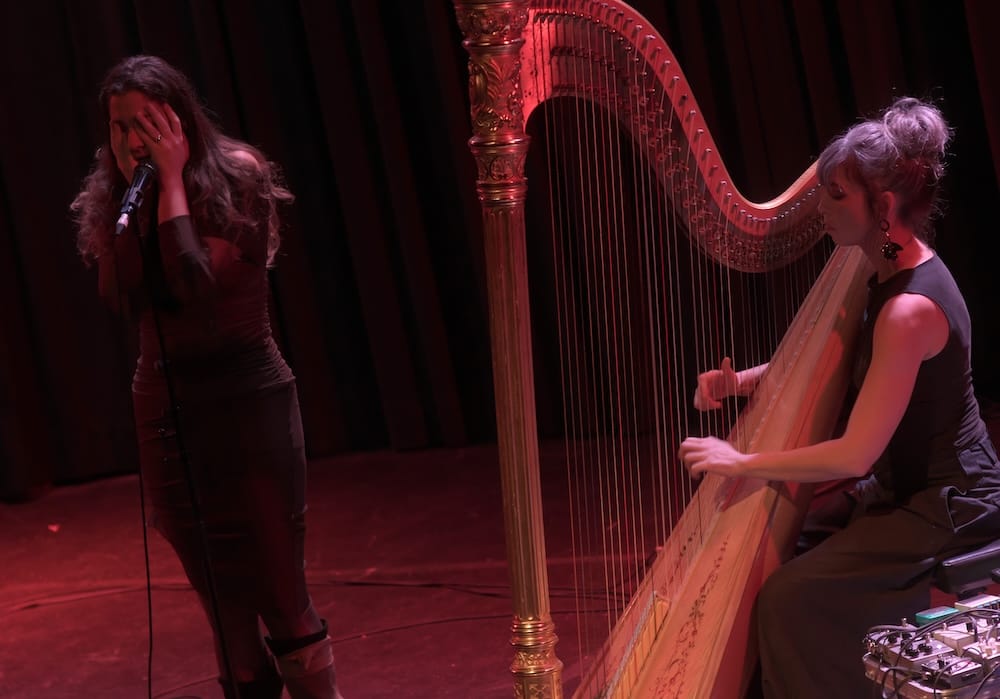
I haven't written as much about live music for this newsletter, which seems like an odd oversight. One of the true privileges of my life is that I get to travel to make noise with friends, and to program live performance in my hometown via the longstanding send + receive festival. I won't include those highlights that I programmed on the list, but suffice it to say that Winnipeg was visited by Still House Plants, Bill Orcutt, Sisso + Maiko, and many other favourite artists in a banner year.
Havana Jazz Fest boasted many highlights, including a timeless, romantic solo by Frank Fernández at the National Theatre of Cuba and a tribute to the music of Jimmy Giuffre by the trio of Steve Cardenas, Ben Allison, and Ted Nash. Their hushed, cerebral set was a standout, contrasting the more bombastic mainstage programs, and I can still hear the hiss of the house PA beneath the languid melodicism of Carla Bley's 'Ida Lupino' as if a separate voice. Bley was an invisible patron of the week's proceedings, which also featured longtime Jazz Fest correspondant Arturo O'Farrill. O'Farrill cut his teeth in Bley's big band of 1980, and his Jazz Fest appearance coincided with the release of Mundoagua, on which his Afro-Latin Jazz Orchestra celebrates Carla Bley. (The album features her last commissioned work, entitled 'Blue Palestine.')
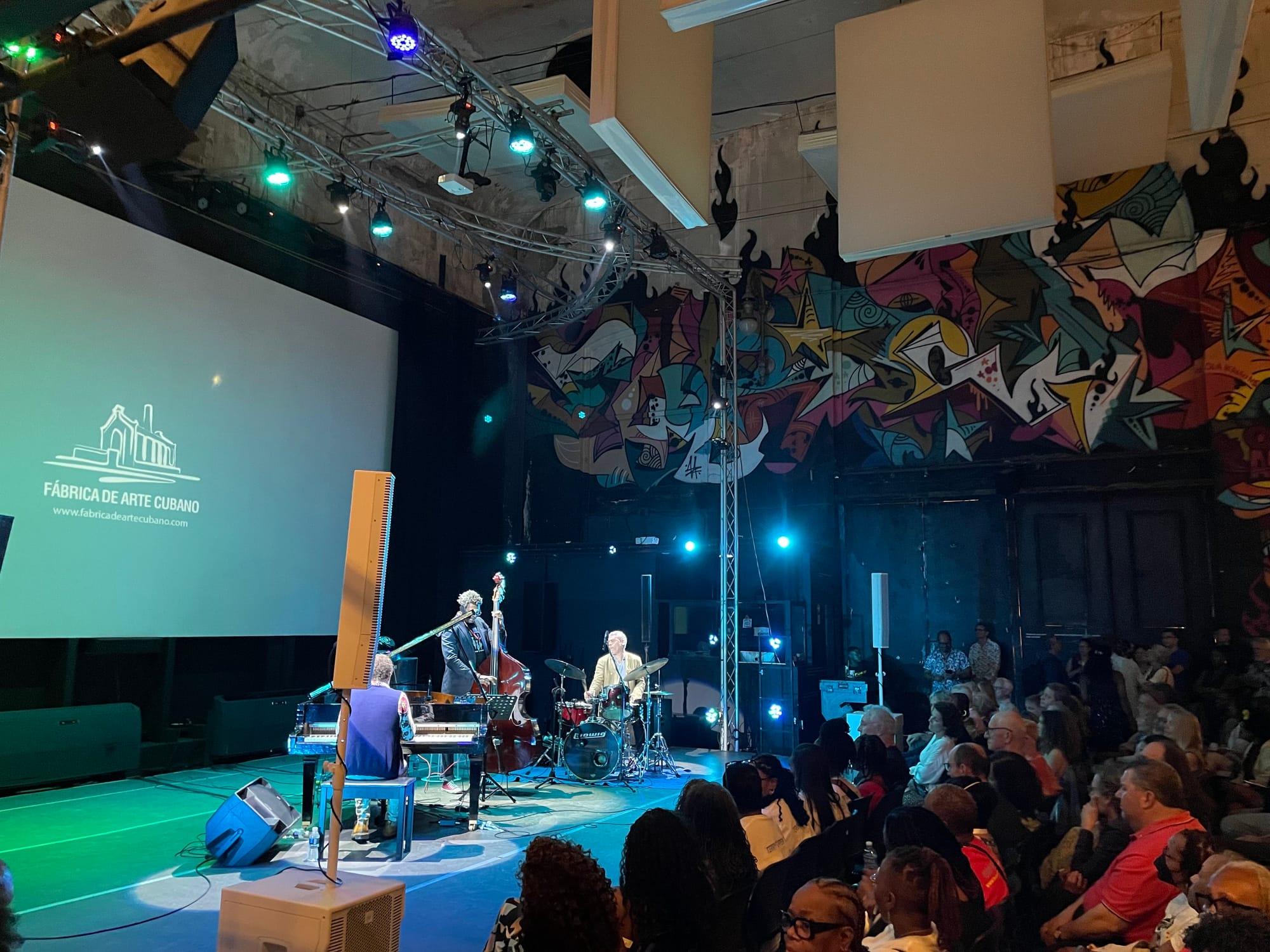
At La Fábrica de Arte, a converted cooking oil factory, one admission gives you access to a range of bars and venues—from high-ceilinged and muralized halls to crowded shipping containers and catwalks. The space is labyrinthine, and a destination in itself. But the experiential aspect of the evening poses some problems for performers, where a superb (and surprisingly outre) Jackie Terrasson trio was forced to compete with the clatter of a distracted crowd—seemingly cutting their set short for lack of attention. I know some lyrical Terrasson records from the 90s, but this group, featuring two Paris-based Cuban musicians, bassist Felipe Cabrera and drummer Lukmil Pérez, is far more exploratory. Terrasson operated percussively on his piano, channeling Afro-Cuban rhythms in a breakaway duet with Pérez, and Cabrera's searching solos seemed to clear a path through the bar's clamour.
Shout out to Gleb for getting me into the Kamasi Washington gala at the newly unveiled David Geffen building at LACMA. Needless to say, the queue was interminable and I’m not sure that I'd have an easy time relating to the income of many others in line—but the music was majestic, even as I’m left with questions as to its placement and partition.
‘Harmony of Difference’ debuted some years ago, so I was reasonably familiar with its movements prior to this new enlargement. That said, this work originates from the gallery—I first encountered it with video accompaniment by A.G. Rojas at the Whitney Biennial in 2017—so perhaps it comes full circle in this modular iteration.
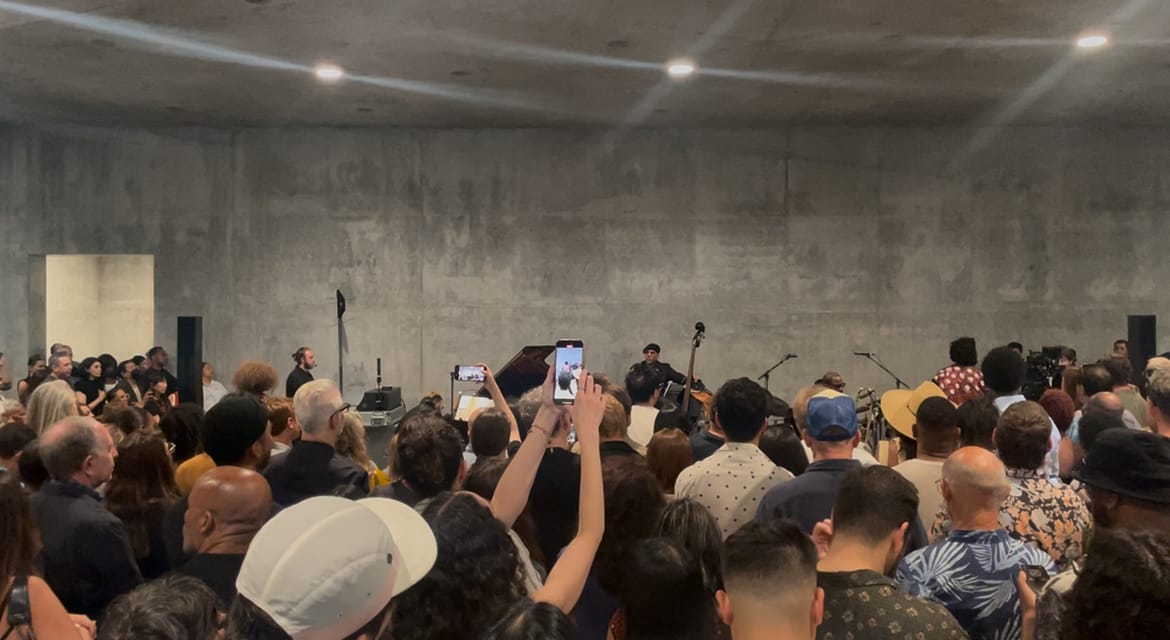
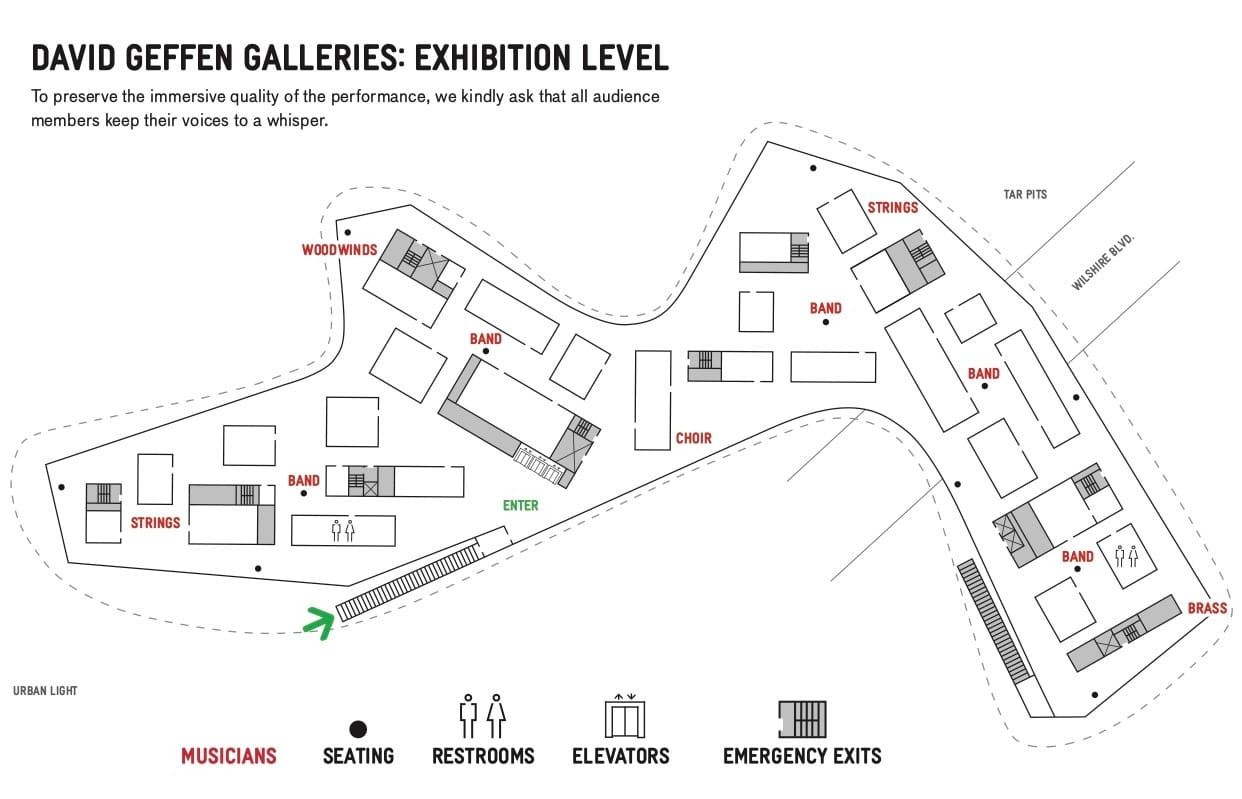
For this occasion, the six-song suite was spatialized within the Geffen's empty galleries, placing ten groups of musicians in stations and leaving a distracted audience to wander as they pleased. In a main thoroughfare, a septet led by Washington himself quickly became the centre of attention, while people came and went from other rooms with greater frequency, visiting choral, woodwind, brass, and string ensembles in relative isolation.
As for the performance itself, it was fun to live-mix the music in perambulatory fashion, and to hover at resonant elbows of the gallery in order to blend subgroupings. Acoustic conditions were far from ideal but, soupiness aside, Washington’s themes are clear enough that most sonic intersections had their sweet spots. This raises some separate, technical questions about monitoring and conduction, where every movement coincided tidily in spite of solo features. Each section was introduced by a tandem chant of its title (Desire, Humility, Knowledge, Perspective, Integrity, Truth) and each group seemed to have a designated leader, so I'd be be interested to know about the work's internal delegation.
More importantly, however, I wonder what the format says about the contemporary reception of this music. In its experiential aspect, the distribution of the music not only prevented close and integral listening, but isolated listeners in separate, concrete ponds. Not that this tandem listening is anti-social per se, but the constant chatter and flitting interest of the crowd seemed to comprise only so many separate itineraries about the space, which likely remained the main attraction for its donors and their hangers-on. Though I'm quite sure that the design set out to make an agentive presence of each listener, too many in attendance acted as colliding selfie sticks, whose attention ultimately ennobled the controversial $700 million gallery.
The music was doubtlessly grand in style and execution, but left me feeling unfulfilled as I descended the stairs into an early night, trudging past the LaBrea tar pits amid massive construction. Something about this location, contrasting the registration of deep, geologic time with unfriendly and newfangled celebrity architecture, put me in bitter mind. This can't have been what anyone intended, but of course this kind of gimmick—adapting musical content to accommodate the museum's surfeit of meaningless form—was bound to displease somebody.
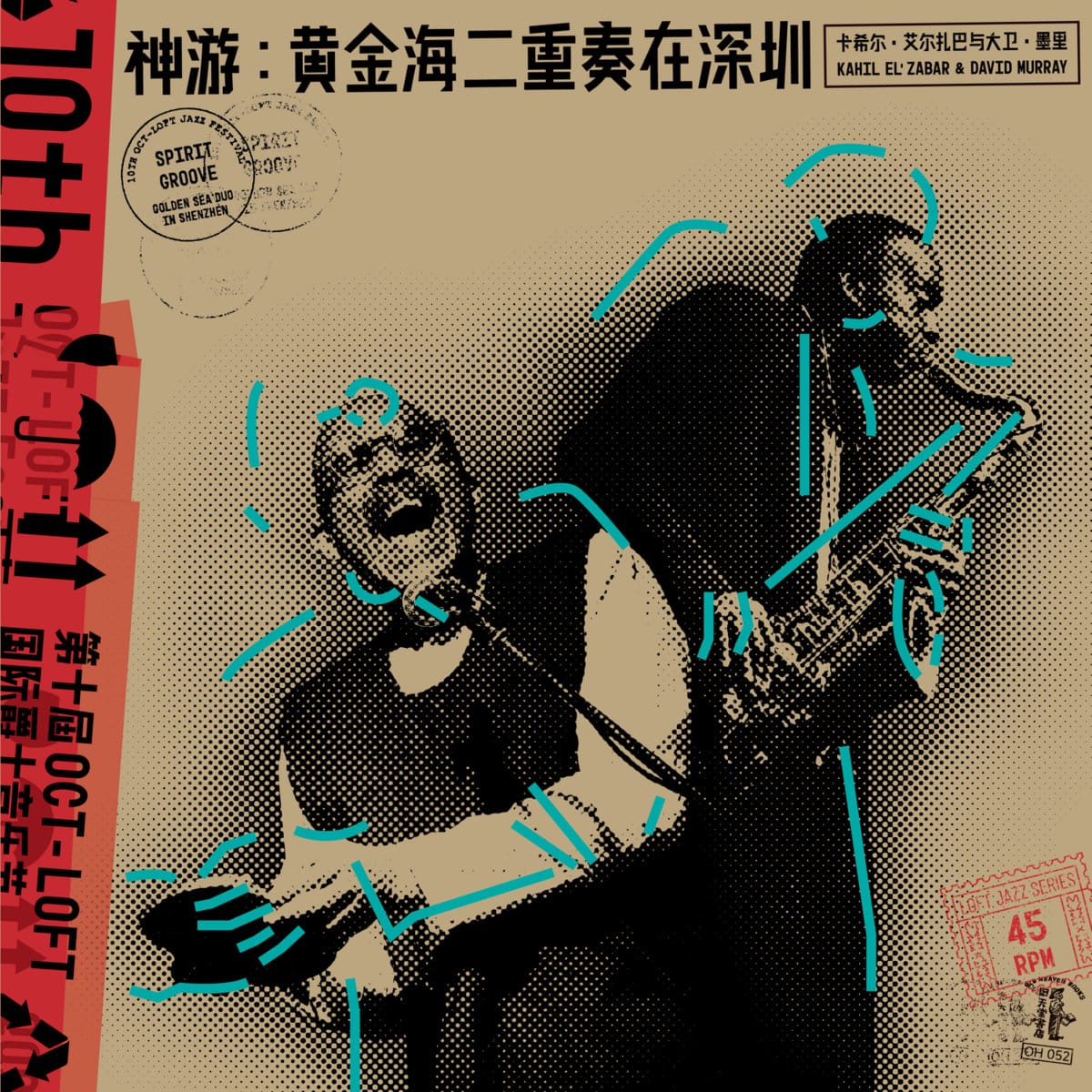
The real highlight of the week was a duo set by David Murray and Kahil El’Zabar at Zebulon. Their chemistry is well-established, dating from the 1980s and recently exemplified on a live recording from Shenzhen, another of the year's best releases.
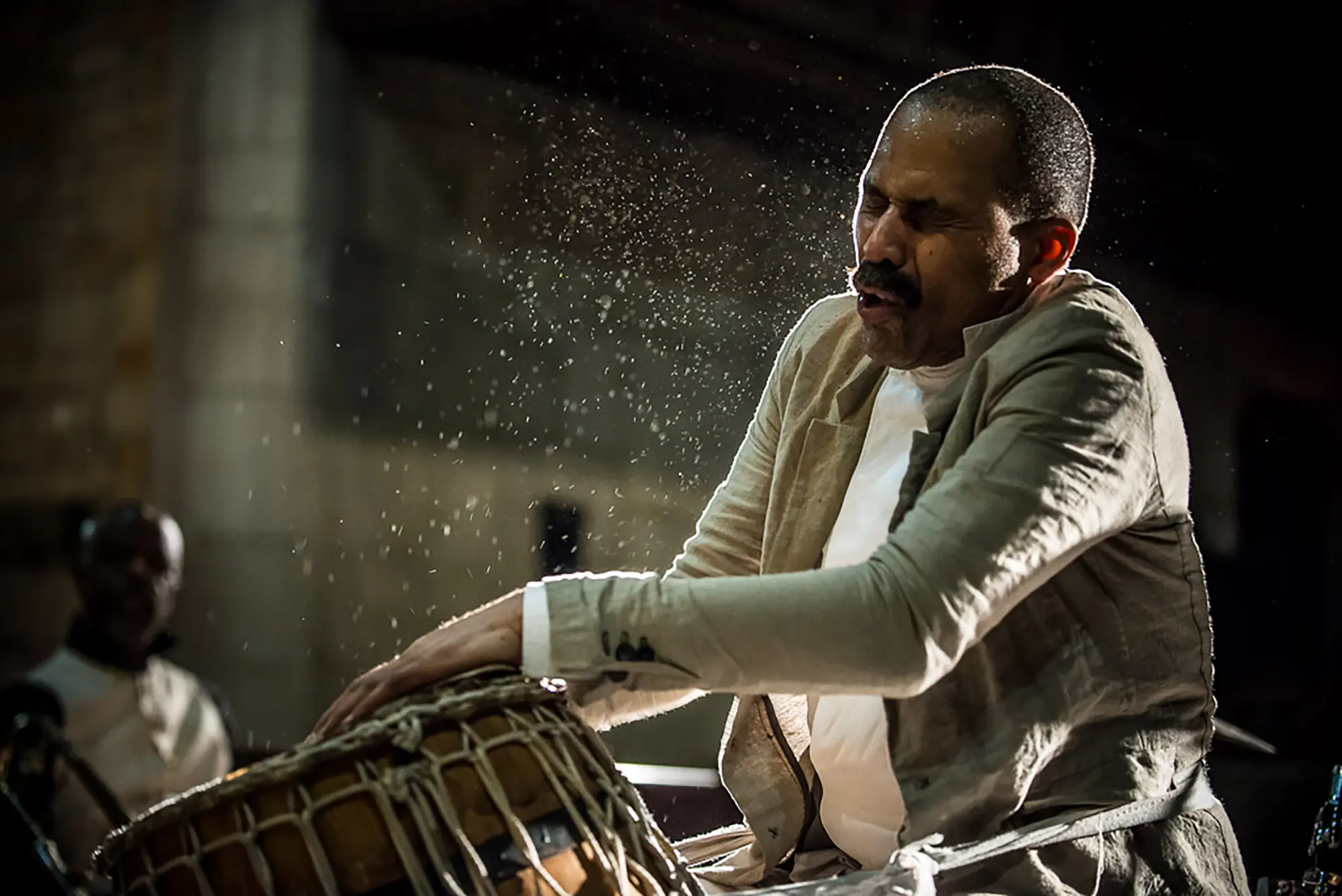
The pair seemed to move through time over the course of their two sets, opening with blustery, swinging free-bop before a magnanimous tour of lyric standards and hypnotic grooves. Murray was full of ideas and long of breath, and through a Fender Bassman, El’Zabar's mbira shook the room. There's a complete band in the flexion of his thumbs, and the best decisions of the set transpired atop these churning, physical rhythms—repurposing 'Compared to What' amid a state of community emergency, or welcoming Dwight Trible's glassy baritone to the stage for an incantatory version of 'A Love Supreme.'
This quality of friendship and chemistry is rare, and to see its output decades on feels like a gift. But until the next summit, check out the ecstatic tongues of Spirit Groove at Old Heaven Books, who are consistently releasing treasures of live improvisation and the Chinese avant-garde.
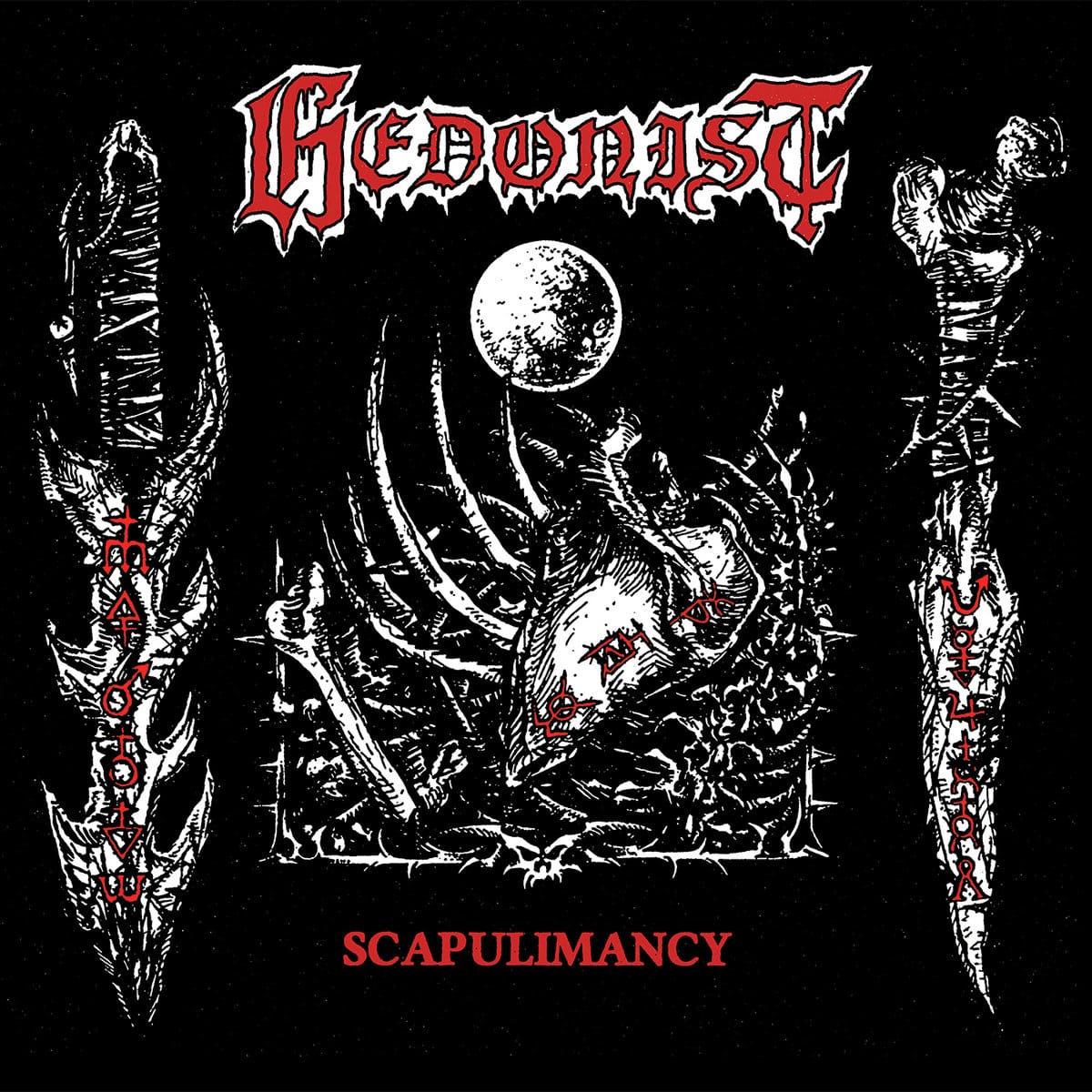
What is going on in Victoria, B.C.? I was lucky enough to spend some time there on an oddly plotted micro-tour last summer and was blown away by the state of DIY punk in western Canada’s Prettiest City. Every band I saw on a couple of stacked bills was killer, but it was notably cool to see Hedonist launch their breakthrough Scapulimancy LP (on Southern Lord, no less) at a crowded gig in front of Victoria’s City Hall.
This felt like a reunion of sorts, as we’d previously played their first-ever show in May 2022. Of course they were great out of the gates, a monolithic summoning of Bolt Thrower and the crustier side of English death metal—but the passage of only a few years has tempered the steel of their sword. Bassist Athena’s vocals boast both low-end exhalations and torturous highs, and her voice ricocheted about the outdoor courtyard like an avenging wraith. I have no idea what the shopkeeps of downtown Victoria think of this summer ritual, but it was wonderful to see a sea of vested punks banging their heads in unison to galloping, oppressive death fucking metal.